Demand Generation for Fintech Companies: The 2026 Playbook
Demand generation for fintech companies in 2026 requires a fundamentally different playbook than standard SaaS demand gen. Fintech buyers, CFOs at regional banks, Chief Risk Officers at payment processors, compliance leads at neobanks, have seen every vendor deck and heard every pitch. Cold outbound barely registers. What works: live events on regulatory and operational topics your buyers are actively managing, with structured follow-up that converts attendees to meetings without pressure.
Why is fintech demand gen harder than most SaaS?
Fintech buyers operate in an environment of regulatory scrutiny, career risk, and intense vendor fatigue. The demand gen strategies that work in consumer SaaS, PPC, content SEO, email automation, perform poorly in fintech when the target is a regulated enterprise buyer.
Cold email reply rates for financial services personas are below 0.5%. LinkedIn InMails to CFOs and Chief Risk Officers see similar performance. These buyers have assistants filtering their inboxes, aggressive spam filters, and acute awareness of sales sequences. They will not respond to an outbound message from a vendor they have never heard of, no matter how well-personalized it is.
I learned this the hard way selling into pharmaceutical companies years ago. Committees, compliance, long cycles. If you try to shortcut the process, you die of old age waiting for a reply. Fintech is the same. You sell into the process or you get nowhere.
What works instead: educational live events that let buyers engage on their terms, on topics tied to their actual current priorities.
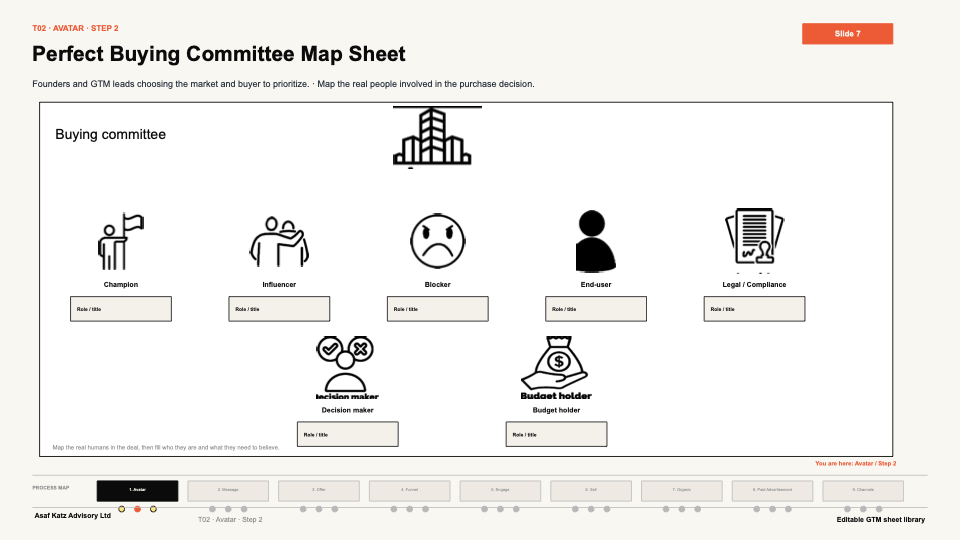
Who are the fintech demand gen buyers you need to reach?
Fintech demand gen typically targets one or more of these buyer personas:
- CFOs at banks, credit unions, insurance firms, and payment companies, focused on cost efficiency, risk management, and compliance cost
- Chief Risk Officers and Compliance Leaders managing regulatory adherence across multiple frameworks (DORA, PCI DSS, SOX, Basel IV)
- CTOs and VPs of Engineering building or modernizing financial infrastructure
- Heads of Payments running transaction processing and settlement operations
- CEOs and Founders at fintech companies evaluating vendors for their own technology stack
Each persona has different content triggers, different risk tolerances, and different engagement preferences. Effective fintech demand gen starts with persona specificity, not broadcast messaging.
When I ran demand gen for Ducere, I had two completely different buyer avatars for the same product: students and universities. The message that worked for one failed completely with the other. Fintech is no different. A CFO worried about Basel IV capital requirements is not the same buyer as a CTO rebuilding a payments stack, even if they sit in the same building.
What actually works for fintech demand generation in 2026?
Live events on regulatory topics. DORA, Basel IV, instant payments, AI governance in financial services. These topics drive attendance because buyers are required to care about them. An event on how community banks can prepare for new instant payment mandates fills a room with exactly the right buyers.
Peer-format events. Fintech buyers are suspicious of vendor-led content. Events with industry practitioners, peer CFOs, or former regulators as speakers consistently outperform product-demo webinars. The format signals that attendees will learn from peers, not be pitched.
Account-based invitations. Do not broadcast. Build a list of the financial institutions and fintech companies that are your best-fit accounts, identify the right personas, and send targeted invitations. One AI-regulation webinar I ran pulled 754 signups in 26 days, with 100+ attendees from target accounts, zero ad spend, and $180K in pipeline. The multiplier was topic selection: a subject buyers already wanted to discuss, with a voice they already trusted.
Non-pitchy follow-up. After a live event, follow up with attendees based on what they engaged with, not with a generic demo offer. The follow-up should extend the event conversation, not reset it as a cold pitch. Event invites get accepted 40 to 50 percent of the time. Pitch outreach gets 5 to 10. Same lists, same senders. The ask is the only variable.
How does the event-led fintech demand gen framework work?
The framework is straightforward. Research the topic your ICP is most focused on right now. Build an invite list of targeted fintech accounts with the right personas. Run the event with peer-credible speakers. Follow up in a way that identifies the hottest attendees and converts them to pipeline without a hard pitch.
I have run recurring event series producing 300 to 800 registrations per event. My own live show, Risk Takers, draws 460 to 577 live senior attendees per episode, built from zero. The pattern holds across every regulated industry: buyers show up for education and stay for the relationship.
Results from fintech and fintech-adjacent events:
- 754 webinar signups in 26 days
- 43 qualified meetings in 60 days
- 460 to 577 live attendees per event
From my own work: one of the most instructive moments came when an eCommerce logistics startup got so many replies from a humble, no-pitch outreach campaign that the founder asked me to pause it. The best early-stage sell is often not selling. That principle applies directly to fintech events: your buyers need to feel they chose to engage, not that they walked into a funnel.
What demand gen metrics actually matter in fintech?
Fintech demand gen should not be measured by MQL volume. An MQL in fintech is nearly meaningless without context. The metrics that matter:
- Target account attendance rate (which of your named fintech accounts engaged)
- Seniority of attendees (CFO and CRO attendance matters more than junior analyst)
- Meetings booked from event attendees within 30 days
- Pipeline velocity from event-sourced opportunities versus outbound-sourced
- Close rate and ACV from event-sourced versus cold outbound pipeline
Event-sourced deals in fintech consistently close at higher ACV and shorter cycle times. Buyers arrived already educated and pre-sold on your credibility. You are not starting from zero.
FAQ
What is the best demand gen strategy for a fintech startup? Live events on regulatory or operational topics your target buyers are actively managing. Events attract buyers that cold outreach cannot reach, and they build credibility before any sales conversation begins.
How do fintech companies reach compliance officers? Compliance officers respond to peer content and educational events on their specific regulatory challenges. Events on compliance automation, regulatory change management, or specific frameworks like DORA, PCI DSS, and SOX consistently attract compliance personas.
Should fintech companies use ABM or demand gen? Fintech companies benefit from event-led ABM, which combines the account precision of ABM with the scalability of demand gen. Live events let you target specific financial institutions while generating demand from adjacent accounts simultaneously.
What is the typical sales cycle for fintech B2B products? Enterprise fintech deals take 6 to 18 months to close. Demand gen should be evaluated on pipeline velocity and deal conversion, not short-term lead volume.
How do you measure demand gen ROI in fintech? Measure target account coverage, seniority of attendees at events, meetings booked from event attendees, pipeline stage conversion rates by source, and average deal size from event-sourced versus outbound-sourced pipeline.
See how we run fintech demand gen events. Check if it fits your budget.
How do you pick the right fintech demand gen partner?
The right fintech demand gen partner understands regulated buyers and does not try to apply generic SaaS tactics to a market that requires a different approach. Ask any prospective partner: have you run events for financial services personas before, and what were the attendance and meeting conversion rates? Ask specifically about CFO and CRO attendance, not just overall registration volume.
One more thing worth asking: have they ever failed, and what did they learn from it? My own agency went from 20 clients to zero. The diagnosis was that I was selling execution when clients needed foundation. I rebuilt around judgment first. A partner who has lived the failure is more useful than one who has only seen the wins.