The MQL Model Is Breaking Down Across B2B
The data from 2026 is clear: while most B2B marketers increased their lead volume, only a minority report improved lead quality. Sales teams are overwhelmed with unconvertible leads, and 90% of teams still cannot connect early-funnel activity to closed revenue. The volume-based demand generation model has effectively collapsed. (Demand Gen Report, 2026)
At the same time, 79% of B2B buyers now use AI-driven search tools, ChatGPT, Perplexity, AI Overviews, to research vendors. These buyers are not filling out your gated forms. They are researching in invisible places, forming opinions before they ever contact your team, and only surfacing when they are genuinely ready to engage.
The traditional MQL, a form fill that triggered a sales alert, is based on a research behavior that no longer reflects how most B2B buyers operate.
I have watched this break in real time. When I rebuilt Kovrr's enterprise story around the buyer's actual problem, their team closed 9 enterprise deals in one quarter. They needed 4 to hit their fundraising target. The pipeline did not come from form fills. It came from being visible and relevant before a buyer ever typed a search query.
What Signal-Based Marketing Means in Practice
Signal-based marketing replaces the form-based trigger with behavioral signals: which accounts visited your pricing page, who engaged with your LinkedIn content, which companies have open job postings that indicate a relevant initiative, who attended a competitor's event, whose buyer team is expanding.
The best demand gen teams in 2026 monitor these signals across multiple channels and route the hottest accounts to sales without waiting for a form fill that may never come. This requires a different data stack: intent data providers, signal monitoring infrastructure, and technical resources to connect it together.
The shift also changes what qualifies as "qualified." An MQL was a form fill plus lead scoring. A signal-qualified account is a company demonstrating active intent through behavioral patterns across multiple channels at the same time. Conversion rates from signal-qualified accounts run significantly higher.
One thing I will say plainly: none of this signal infrastructure matters if your foundation is wrong. If your ICP is fuzzy, your message is generic, and your offer is unclear, better signals just surface bad fit faster. Foundation comes first. Always.
Why Live Events Are the Highest-Intent Signal Available
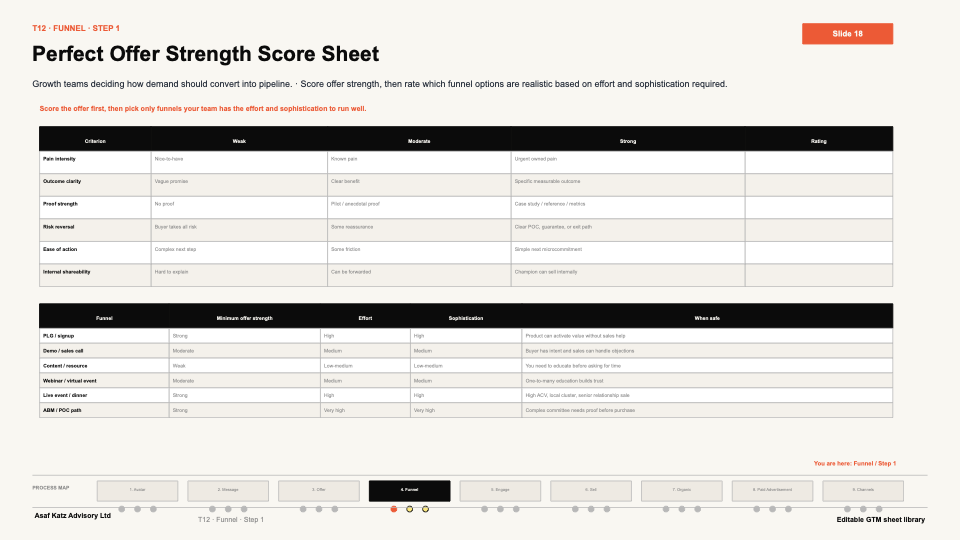
Among all available signals, live event attendance stands apart. A buyer who voluntarily registers for and attends a 45 to 60 minute live webinar on their specific operational challenge is demonstrating intent in a way that is difficult to fake and easy to follow up on.
This is why event-led growth is a direct response to the collapse of the MQL model. When buyers are not filling forms, the next best channel is one where they voluntarily show up in real time.
I have the numbers to back this. One AI-regulation webinar I ran pulled 754 signups in 26 days, with 100 or more from target accounts, zero ad spend, and $180K in pipeline. The multiplier was topic selection: something buyers already wanted to discuss, with a voice they already trusted. My own live show, Risk Takers, draws 460 to 577 live senior attendees per episode, built from zero. That kind of intent signal is not something an MQL program can replicate.
Across hundreds of campaigns I have run, event invites get accepted 40 to 50 percent of the time. Pitch outreach on the same lists gets 5 to 10 percent. Same people, same senders. The only variable is the ask.
The AI Search Dimension
79% of B2B buyers using AI-driven search means your GEO strategy matters as much as your SEO strategy. If your content is not structured to be retrieved by ChatGPT, Perplexity, and AI Overviews, you are invisible to most potential buyers during their research process.
The formula for GEO visibility: establish authority on specific, answerable questions. Lead with the direct answer. Cite real sources. Include verifiable statistics. Structure each content piece as a self-contained answer to a buyer query, not a brand awareness piece.
When I sold to trucking companies early in my career, I learned fast that if the value is not obvious in one sentence, the conversation is over. AI search works the same way. If your content cannot answer the buyer's question directly and fast, another vendor's content will.
The combination that works: GEO-optimized content ensures visibility during the research phase, and live events convert that awareness into genuine intent and real conversations.
What Demand Gen Teams Should Do Right Now
Replace MQL thresholds with signal monitoring. Identify which behavioral signals in your category predict genuine purchase intent and build routing logic around those, not form fills.
Restructure your content for GEO, not just SEO. Format content as direct, authoritative answers to specific buyer questions. Include real statistics, cite sources, and structure for AI retrieval.
Add live events to your intent-capture motion. Position your webinar as the moment when research turns into real conversation. It is the highest-intent signal available and the natural next step after a buyer completes their AI-assisted research.
Prioritize follow-up speed on live event attendees. Follow up within 24 hours. Reference something specific from the session. Offer a direct conversation with the practitioner who ran it. Speed and specificity are what separate pipeline from attendance stats.