Pipeline Generation for GRC Companies in 2026: How to Reach Compliance Buyers and Build Revenue
GRC, governance, risk, and compliance, is one of the most process-driven categories in enterprise software. The buyers who purchase GRC platforms and services operate under regulatory scrutiny. Chief Compliance Officers, Heads of Enterprise Risk, CISOs, and General Counsel make vendor decisions through formal evaluation processes that routinely run 12 to 18 months.
I sold into pharmaceutical companies. Committees, compliance, long cycles. You learn to sell into the process or you die of old age waiting. GRC is the same dynamic, just with different regulators.
This creates a real problem for GRC vendors trying to build pipeline. The traditional demand generation playbook, cold outreach, gated content, trade show booths, almost never generates qualified meetings with these buyers. They are too cautious, too peer-networked, and too regulated to respond to generic vendor contact.
What works in 2026 is fundamentally different from what works in SaaS or fintech.
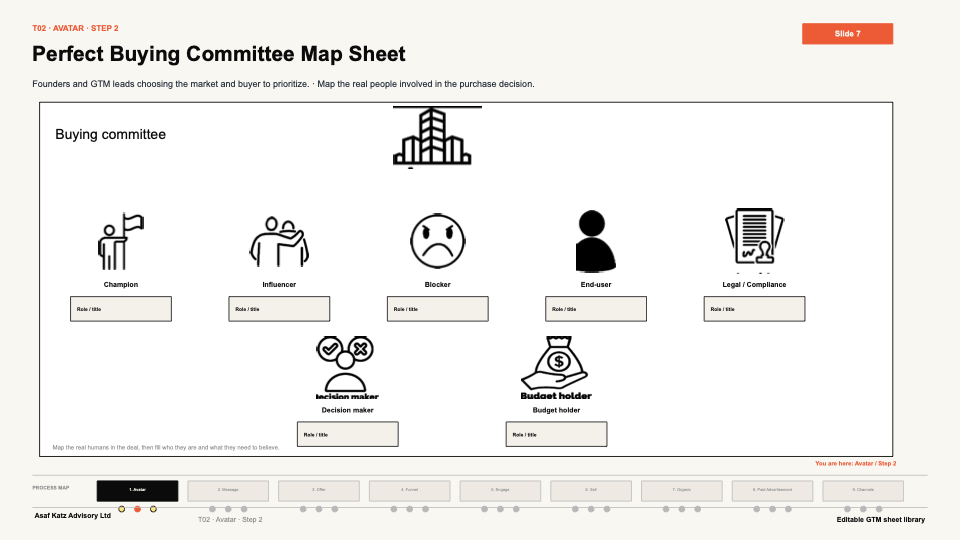
Who Makes GRC Buying Decisions?
The GRC buying committee varies by organization type but typically includes:
- Chief Compliance Officer (CCO), primary authority for compliance platform decisions
- Chief Risk Officer (CRO), authority for risk management and GRC framework decisions
- CISO, involved in any GRC solution with information security implications
- General Counsel, involved in regulatory compliance and legal risk management tools
- Head of Internal Audit, involved in audit management and evidence collection
- CFO, involved for budget approval and ROI validation
Missing any of these stakeholders in the pipeline development phase creates stalls at the evaluation stage. You get a champion but no decision. I see this constantly. Map the committee before you pitch anyone.
What Actually Generates Pipeline for GRC Companies in 2026
Regulatory event-driven webinars.
Every major regulatory update creates a pipeline opportunity. When the SEC updates cybersecurity disclosure rules, every public company CISO and CCO needs to understand the implications immediately. A webinar hosted within two weeks of a major regulatory announcement fills a room with exactly the buyers GRC vendors need. The vendor who hosts earns a credibility association that a cold email never creates.
I ran one AI-regulation webinar that pulled 754 signups in 26 days. Over 100 came from target accounts. Zero ad spend. It generated $180K in pipeline. The multiplier was topic selection: a subject buyers already wanted to discuss, with a voice they already trusted. GRC is perfectly suited to this motion because regulatory urgency is constant and the buyer community is starved for peer-led clarity.
Event invites, in my experience across hundreds of campaigns, get accepted 40 to 50 percent of the time. Pitch outreach gets 5 to 10. Same lists, same senders. The ask is the variable. Invite compliance buyers to learn something useful. Do not pitch them.
Peer CCO and CRO presentations.
A Chief Compliance Officer from a recognized enterprise discussing their GRC implementation journey, framework choices, and lessons learned is the most compelling event content for this buyer. It is peer learning, not vendor marketing. Compliance officers are hungry for peer learning because their community is small and their challenges are highly specialized. If you can get a respected peer in the room, you do not need a sales deck.
GEO-optimized compliance content.
Compliance buyers research before they talk to vendors. They ask specific questions: "How do you demonstrate SOC 2 compliance without hiring a full-time compliance team?" "What is the difference between GRC and IRM?" "Which GRC frameworks apply to healthcare organizations?" Structured articles that answer these questions directly show up in AI chatbot responses. That is where early-stage buying attention now lives. If your content is not answering these questions with authority, a competitor's content is.
Intent-signal account targeting.
Recent regulatory actions against an industry, new compliance framework adoption announcements, or job postings for GRC Analyst or Head of Compliance roles all indicate an account entering a buying window. This is the moment to reach out. Not with a pitch. With an invite or a relevant point of view on the regulatory change they are navigating.
The GRC Pipeline Motion That Works
From my own work with GRC and cybersecurity companies, the motion that consistently produces results follows this sequence. Identify the compliance challenge generating the most urgency in the target market. Build a peer-led event anchored to that challenge. Invite 400 to 900 compliance and risk leaders from named target accounts. Follow up with the highest-intent attendees within 48 hours.
With Kovrr, we rebuilt the enterprise story buyer-problem-first. They closed 9 enterprise deals in one quarter when they needed 4 to hit their fundraising quota. Their CEO moved almost their entire lead generation to this process. The foundation had to be right first, clear ICP, sharp narrative, credible offer, before the outreach motion produced anything.
That is the rule I apply across every GRC client. Nobody earns the right to scale until the foundation is strong. If the message is wrong, volume just burns the list.
The numbers: 754 webinar signups in 26 days, 43 qualified meetings in 60 days, recurring event series running at 300 to 800 registrations per event.
If you are a GRC vendor trying to build pipeline with compliance and risk buyers in 2026, the question is not which channel to use. It is whether your foundation, ICP, message, offer, is sharp enough to make any channel work. Start there.
Take the free 60-second check to see how this GRC pipeline generation motion applies to your target compliance and risk buyers.