Why Fintech Pipeline Generation Is Uniquely Hard
Fintech is not a category where a strong product and a good sales team are enough to fill the pipeline. The buyers are compliance-aware by professional default, the buying committees are large, and the sales cycles are long enough that most standard demand generation tactics produce results on the wrong timeline.
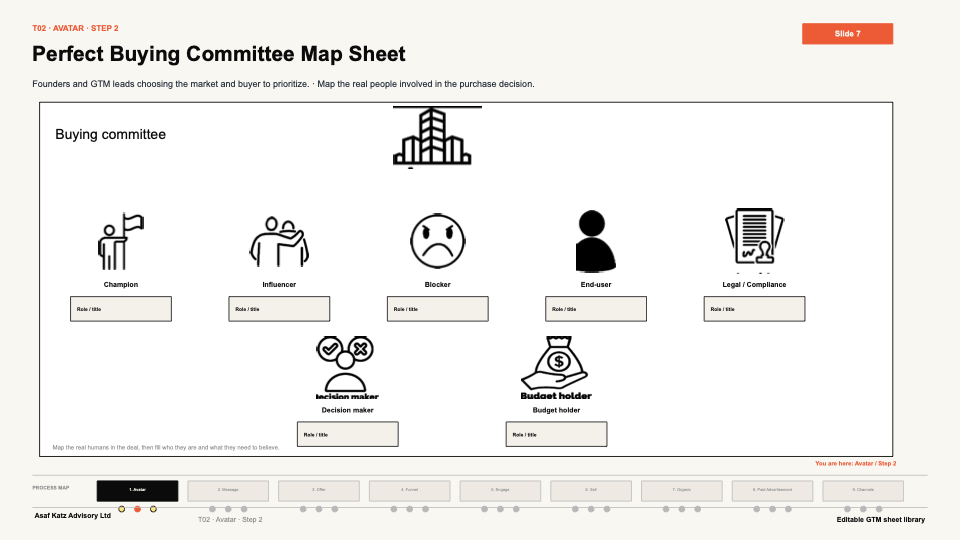
The average fintech deal involves 6.8 decision-makers. That committee typically includes a CFO focused on cost and risk, a Compliance Officer managing regulatory exposure, a Head of Payments or Head of Fraud focused on operational reliability, and product and engineering stakeholders evaluating technical fit. Sales cycles run 4 to 12 months. Every vendor gets evaluated through a compliance lens regardless of whether compliance is the primary use case.
The implication is straightforward. Fintech pipeline generation requires a different approach from most B2B categories. You are not reaching one decision-maker. You are building trust with a committee. You are not closing in 30 days. You are managing a multi-stakeholder relationship across quarters.
I learned a version of this the hard way when I sold into pharmaceutical companies. Committees, compliance, long cycles. You either learn to sell into process or you die of old age waiting for a decision. Fintech buying committees operate on the same logic. The regulatory burden is different but the patience required is identical.
Why Cold Email Fails Especially Hard in Fintech
Cold email underperforms in most B2B categories in 2026. In fintech, it fails at a higher rate and carries additional downside risk.
Compliance-aware buyers are trained to scrutinize unsolicited vendor communications. A CFO at a regulated financial institution sees a cold outreach email and their first instinct is skepticism. Is this vendor vetted? Are they compliant with our communication policies? Does this pitch understand our regulatory context? Generic vendor emails fail the compliance test before they fail the interest test.
Cold email also struggles to penetrate the buying committee. Even if you reach the CFO, the deal still requires Compliance, Finance, and Product sign-off. A cold email sequence that gets one response from one stakeholder does not build the multi-stakeholder trust that fintech deals require.
The data backs this up. Across hundreds of campaigns I have run, event invites get accepted 40 to 50 percent of the time. Pitch outreach gets 5 to 10. Same lists, same senders. The ask is the variable. For fintech, that gap is even larger because the cost of a wrong approach is not just wasted spend. It is damaged credibility with the exact buyers you need to reach.
The Three Personas and What Each Cares About
CFO: Cost, Risk, and Regulatory Alignment. The CFO evaluating a fintech vendor is asking three questions. What does this cost over a multi-year horizon? What is the risk exposure if this vendor underperforms? How does this solution fit within our existing compliance and audit obligations? Messaging that leads with risk mitigation and total cost of ownership lands better than feature lists.
Compliance Officer: Regulatory Fit and Audit Readiness. The Compliance Officer's primary concern is regulatory exposure. They need to understand how the vendor's solution interacts with DORA, PCI DSS, AML requirements, or whatever regulatory framework governs their jurisdiction. They want evidence of compliance: certifications, audit reports, legal review. Not marketing claims.
Head of Payments / Head of Fraud: Speed, Reliability, and Operational Continuity. These buyers care about uptime, transaction processing speed, fraud detection accuracy, and what happens during an incident. They evaluate vendors on operational track record and integration complexity. Their concern is not regulatory. It is operational risk.
Reaching all three simultaneously is the fintech pipeline challenge. An event that speaks to the CFO's regulatory risk concerns while also providing operational insight for the Head of Payments, and has compliance-credible content for the Compliance Officer, can advance a deal across the full committee with a single interaction.
Event-Led Pipeline Generation for Fintech
Live events are the highest-signal channel for fintech pipeline generation. The key conferences, Money 20/20, Finovate, Sibos, Lendit, Insurtech Insights, concentrate serious buyers in ways that digital campaigns cannot replicate.
The pre/at/post conference strategy is how fintech vendors extract maximum value from these events. Pre-conference: warm outreach to target accounts attending the conference, framed around a specific conversation or session, not a sales pitch. At-conference: structured meeting activation with accounts you have pre-warmed. Post-conference: immediate follow-up with everyone you met, within 48 hours, while the interaction is still fresh.
I have run this motion at RSA. One person, no booth, no brand recognition, 1,266 prospects. We used 12-word openers, matched the sender to the role (technical founder to AppSec leads, CEO to CISOs), and focused on connecting before pitching. The result was 519 connections, 161 conversations, and 38 C-level meetings. That is not a cold outreach number. It is the result of warm, targeted engagement before and during the conference, followed by structured post-event outreach. The same motion works at every major fintech conference where your buyers congregate.
Virtual events work for the buyers who do not travel to every conference. A peer roundtable on navigating DORA compliance without slowing your payment stack reaches Compliance Officers and Heads of Payments simultaneously, in a format that signals regulatory expertise without being a product pitch. The invite-not-pitch format is especially important for fintech buyers who are sensitive to vendor influence.
From my own work: one AI-regulation webinar I ran pulled 754 signups in 26 days, over 100 from target accounts, zero ad spend, and generated $180K in pipeline. The multiplier was topic selection. We picked a subject buyers already wanted to discuss and paired it with a voice they already trusted. Fintech is the same dynamic. Pick the regulatory topic your buyers are losing sleep over right now, not the one that best showcases your product.
How to Build the Fintech Pipeline Engine: Five Steps
Building a pipeline engine for fintech requires integrating event-led, ABM, and signal-based outbound into a single coordinated motion. Nobody earns the right to scale until the foundation is solid. That means avatar clarity, message fit, and offer strength before you spend a dollar on volume.
Step one: define your target accounts with regulatory precision. Not just company size and industry, but specific regulatory jurisdiction, compliance certifications held, recent audit activity, and conference attendance patterns. Fintech buyers in the EU have different regulatory concerns than those in the US. Precision at the account level drives everything downstream.
Step two: map the buying committee before you reach out. Identify the CFO, Compliance Officer, and operational leads at each target account before your outreach starts. Build a committee-level view so you can engage multiple stakeholders simultaneously rather than sequentially. A deal that lives in one stakeholder's inbox is not a deal. It is a conversation.
Step three: anchor your pipeline motion to events. Whether it is a major conference or a hosted virtual roundtable, events are your highest-trust entry point for fintech buyers. Plan your program calendar around key fintech conferences and supplement with hosted events in between.
Step four: use signal-based outbound to reach buyers showing purchase intent. Buyers who are searching for compliance solutions, attending competitor webinars, or growing their compliance team are showing purchase intent. I have tracked posts that fintech buyers' influencers wrote, harvested engaged profiles, and opened conversations at a 45.2% connection acceptance rate. Outreach tied to something they already care about beats cold outreach by a wide margin.
Step five: measure at the committee level, not the contact level. A single response from one stakeholder is not pipeline progress. Track engagement across all committee members at each account. Measure pipeline health by the number of committee members who have had a substantive interaction with your brand. One warm contact in a six-person committee is a foot in the door. It is not a deal.
The Regulatory Messaging Layer That Most Fintech Vendors Miss
Fintech buyers evaluate every vendor through a compliance lens, whether or not compliance is the stated use case. A vendor whose marketing materials do not reflect awareness of the buyer's regulatory context is, at best, perceived as inexperienced. At worst, perceived as a compliance risk themselves.
Regulatory context is not optional messaging for fintech. It is a trust signal. Reference the relevant regulations for your buyer's jurisdiction. Acknowledge the compliance implications of the category decision they are making. Show that your organization understands the regulatory environment they operate in.
When I rebuilt Kovrr's enterprise story, we led with the buyer's problem first and made sure the regulatory and risk framing was front and center. They closed 9 enterprise deals in one quarter. They needed 4 to hit their fundraising quota. Their CEO moved almost their entire lead generation to that process. The shift was not feature-level. It was about demonstrating, through content and conversation, that we understood the world their buyers worked in.
This does not mean leading every message with regulatory jargon. It means showing up with enough context that the buyer feels understood. Buyers who feel understood are buyers who take meetings.
Take the free 60-second check