LinkedIn's March 2026 algorithm overhaul fundamentally changed how B2B brands earn visibility on the platform. Personal profiles now receive approximately 65% of user feed allocation. Company pages receive roughly 5%. Personal profiles generate 8 times more engagement than company pages, a gap that makes the traditional corporate content strategy nearly obsolete for pipeline-focused teams.
This is not a small tweak. It is the same relevance-over-network pivot that Instagram and TikTok made years ago. LinkedIn has confirmed the shift: network size no longer drives reach. Relevance does. And relevance is determined by a new signal called Depth Score.
I have been running outbound and content motions on LinkedIn for years. The 2026 update did not surprise me. Relevance has always been the only thing that keeps a door open. I learned that selling door to door, and it is just as true in a feed algorithm.
What Is LinkedIn's Depth Score?
Depth Score is LinkedIn's new ranking signal for the 2026 algorithm. It measures how long and how deeply users engage with a piece of content, not just whether they clicked a like button.
The signals that build Depth Score:
- Dwell time: how long someone pauses on your post
- Comment depth: the length and quality of comments, not just the count
- Saves: private saves indicate high-value content
- Private shares: direct messages sharing your content to others
What the algorithm now penalizes:
- Engagement bait ("comment YES if you agree")
- Engagement pods, because AI detection kills these
- Recycled posts that add nothing new
- Generic corporate announcements from company pages
The net result: shallow, broadcast-style content from company pages gets buried. Genuine, expert-voiced content from individual founders, CROs, and domain specialists gets amplified.
What This Means for B2B Pipeline Teams
The change has a direct pipeline implication. If your outbound motion relies on reaching CISOs, VP of Engineering, or compliance leads through company page posts or InMail from a generic company sender, your response rates have dropped significantly.
The highest-performing B2B revenue motion on LinkedIn in Q2 2026 looks like this:
- Founder or senior leader posts genuine insights from their personal profile around topics their ICP cares about. Not company news. Real perspective on their buyers' problems.
- Content earns Depth Score through genuine comments and private shares from target personas.
- Warm outreach follows from the same personal profile, referencing the content the prospect engaged with.
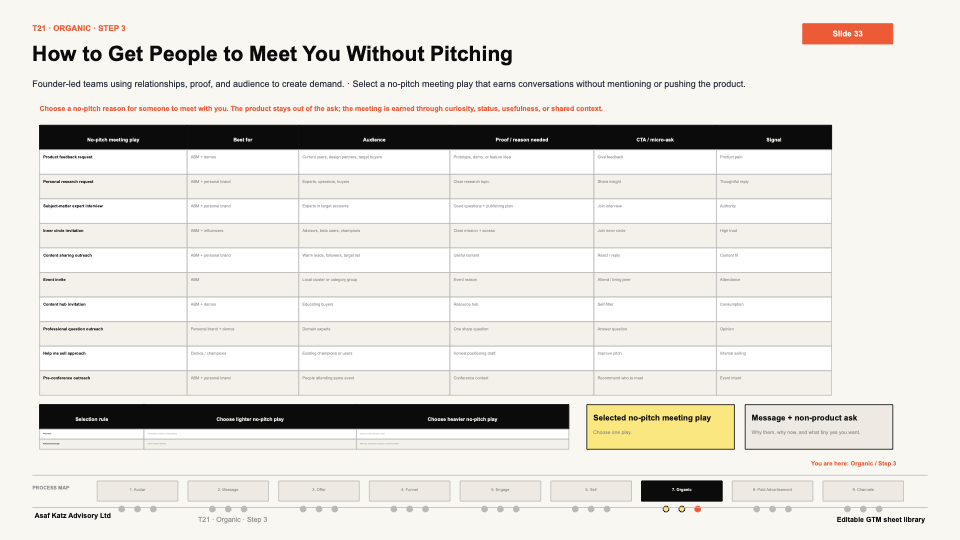
- Webinar or event invitation closes the loop. The highest-converting call to action from a warmed personal brand is a live event invite.
From my own work: across hundreds of campaigns, event invites get accepted 40 to 50 percent of the time. Pitch outreach gets 5 to 10. Same lists, same senders. The ask is the variable. Personal brand content builds the relationship first. A live event invitation tied to a topic the prospect has already been engaging with is what converts attention into a meeting.
This is how we generated 43 qualified meetings in 60 days for one client using this combined motion. It is also how one AI-regulation webinar pulled 754 signups in 26 days, 100-plus from target accounts, zero paid ads, and generated $180K in pipeline. The topic was something buyers already wanted to discuss. The sender was a voice they already trusted. That trust came from personal profile content, not a company page.
The Employee Advocacy Layer
78% of B2B marketers now use video on LinkedIn, with 56% planning to increase usage. But video on company pages underperforms significantly compared to video from personal profiles. The answer is employee advocacy: your team's experts sharing their own perspective in their own voice, with the company tagged rather than the company broadcasting.
For B2B companies with 10 to 100 employees, this means identifying three to five internal voices with credibility in your buyer's world. A CISO-turned-advisor, a former VP of Engineering, a compliance specialist. Support them to post consistently from their personal profiles.
The algorithm rewards authenticity because it measures depth, not broadcast reach. That matches what I see in practice. My own live show, Risk Takers, draws 460 to 577 live senior attendees per episode, built entirely from zero. No company page post has come close to those numbers. It runs on personal credibility and a genuine topic, nothing else.
The practical advice: stop asking your marketing team to feed the company page. Start identifying the two or three people inside your organization who have real opinions your buyers respect, and build a consistent rhythm around their voices. The company page becomes a support channel, not the primary one.
LinkedOtter by Asaf Katz Advisory operates on this principle. The content comes from a real practitioner's perspective. The events are the conversion mechanism. Take the free 60-second check to see how this motion applies to your ICP.