Lead Generation for DevOps Companies in 2026: How to Reach VP Engineering and Platform Buyers
DevOps lead generation has a fundamental problem: the buyers it needs to reach, VP of Engineering, Head of Platform, Head of SRE, are among the most outreach-immune personas in all of B2B. They receive dozens of vendor messages per week. They have institutional memory of every cold email tactic. They make vendor decisions primarily through peer recommendations and internal technical evaluation.
Any DevOps lead generation strategy that leads with volume outbound will fail. The cost per lead might look cheap on a spreadsheet. The qualified meeting rate will be close to zero.
I learned this early. When I sold technology to trucking companies, the buyers were brutally practical. If the value was not obvious in one sentence, the conversation was over. Engineering leaders are the same. They can smell a sequence from the subject line. The only thing that keeps the door open is relevance.
Who Is the DevOps Buying Committee in 2026?
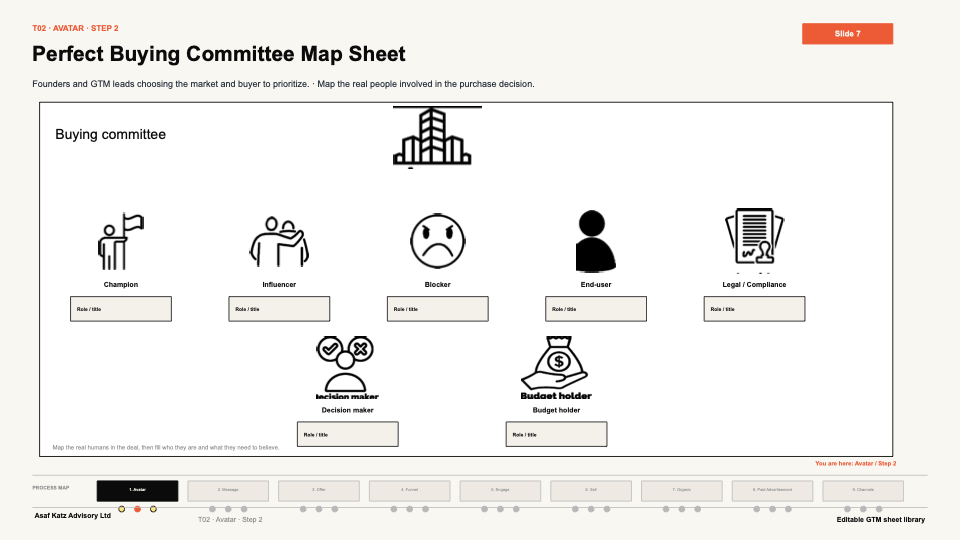
DevOps purchase decisions typically involve three to five stakeholders:
- VP of Engineering: commercial authority; most concerned with developer experience, velocity, and cost
- Head of Platform or Infrastructure: technical authority; most concerned with reliability, integration depth, and operational overhead
- Head of SRE: focused on MTTR, SLA compliance, and on-call burden
- FinOps or VP Engineering Economics: increasingly present at growing companies; focused on cloud cost efficiency and engineering ROI
- CISO or Security Lead: involved in any tooling with access to production infrastructure
A lead generation program that reaches the VP of Engineering but not the Head of Platform will stall at technical evaluation. Effective DevOps lead generation reaches the full committee, not just the easiest inbox.
What Actually Produces DevOps Pipeline in 2026
Live events built around specific engineering challenges. A webinar titled "Reducing cloud infrastructure costs without slowing deployment velocity" pulls exactly the right people into the room. The VP Engineering attends because it is a budget problem. The Head of Platform attends because it is a technical challenge. The FinOps lead attends because it is their mandate. One event, multiple buying committee members, high intent.
Topic selection is the whole game. I ran one AI-regulation webinar that pulled 754 signups in 26 days, over 100 from target accounts, zero ad spend, and generated $180K in pipeline. The topic was something buyers already wanted to discuss, with a voice they already trusted. The same principle applies to DevOps events. Find what the engineering community is actively debating, based on job postings, GitHub discussions, conference agenda trends, and intent data, and build the event around that live conversation.
Across hundreds of campaigns I have run, event invites get accepted 40 to 50 percent of the time. Pitch outreach to the same list gets 5 to 10. Same contacts, same senders. The ask is the only variable. For buyer personas this skeptical, an invite to learn beats a pitch to buy every time.
Technical content that earns organic credibility. Blog posts comparing specific tools head-to-head, architecture walkthroughs for common DevOps challenges, and reliability engineering frameworks position your brand as a peer rather than a vendor. This content also gets cited in AI search responses, which matters because a growing share of B2B buyers now start research in AI chatbots rather than Google.
Intent and technographic signal-based outreach. When an account posts three SRE job openings in the same month, they are building infrastructure capacity. When they migrate cloud providers, they are re-evaluating their toolstack. These signals trigger warm, relevant outreach that converts at dramatically higher rates than cold sequences. I have seen this pattern across the 40-plus companies I have helped with positioning and pipeline. The signal is not the extra step. It is the whole reason the outreach works.
The DevOps Lead Generation Funnel That Works
Before running any of this, one rule applies: nobody earns the right to scale until the foundation is strong. That means a clear ICP, a message that speaks to the specific pain of each buying committee member, and an offer sharp enough to justify the ask. AI tools and paid channels will amplify whatever exists, including the broken parts. If the foundation is weak, more volume makes it worse.
Once the foundation is solid, the three-layer funnel looks like this.
Top of funnel: technical content and community presence create awareness among engineering leaders who are actively researching your category.
Middle of funnel: a live event invitation, targeting accounts already showing intent signals, puts your brand in front of the full buying committee in a peer-learning context. Not a sales demo. A room where they learn something useful.
Bottom of funnel: structured follow-up with the highest-intent attendees, those who stayed for the full session, asked questions, and engaged with post-event resources, converts attendance into qualified meetings.
From my own work: this three-layer motion produces 43 qualified meetings in 60 days for B2B vendors running it properly. Events starting around $6,000. The cost per qualified meeting is a fraction of what traditional outbound costs for this buyer persona, where most cold sequences produce nothing but unsubscribes.
The lesson from Kovrr is relevant here. We rebuilt their enterprise story around the buyer's problem first, not the product features. They closed 9 enterprise deals in one quarter when they needed 4 to hit their fundraising quota. DevOps vendors make the same mistake constantly: leading with architecture and integration depth when the VP Engineering needs to hear about deployment velocity and cost. The message has to match the committee member, not just the product.
Take the free 60-second check to see how this DevOps lead generation motion maps to your target accounts.