Demand Generation for Payments Companies in 2026: How to Reach CFOs and FinOps Buyers
Payments is a high-stakes, high-scrutiny B2B category. CFOs, Heads of Finance, VP of Treasury, and FinOps leaders who buy payments infrastructure, treasury management, or payment optimization solutions are among the most risk-averse decision-makers in enterprise buying. They are also the hardest to reach. Protected by administrative gatekeepers, skeptical of vendor outreach, and unwilling to engage until they have peer validation that a solution works in their specific financial environment.
I've sold into pharmaceutical companies, trucking fleets, and global enterprises. Payments buyers remind me most of pharma. Committees, compliance cycles, and a deep instinct to say no until someone they trust says yes. The product conversation happens later. Always later.
Demand generation that works for payments companies in 2026 is built around that buyer reality. Lead with compliance, regulatory context, or peer evidence. The product conversation happens later.
Who Is the Payments Buying Committee in 2026?
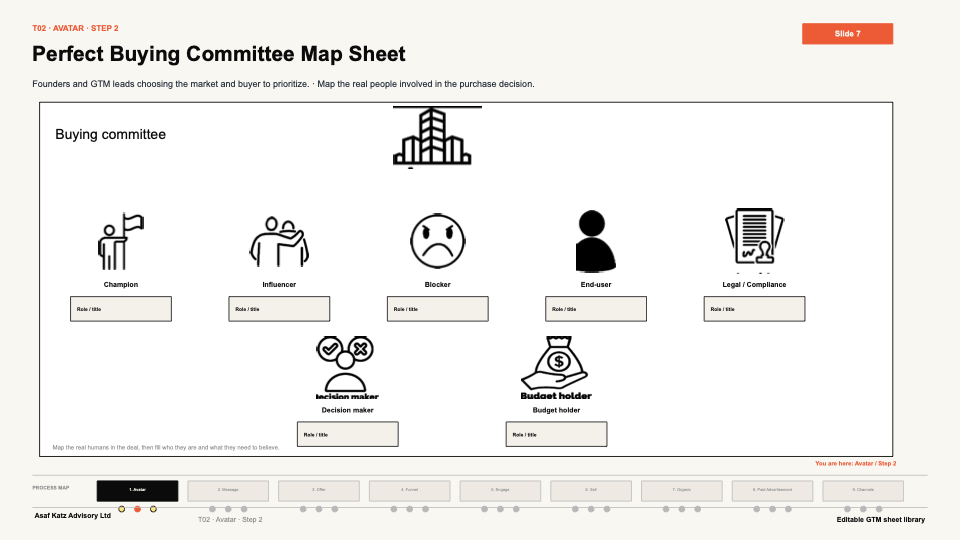
Payments purchase decisions typically involve:
- CFO: ultimate authority; focused on cost reduction, risk management, and compliance
- VP of Finance or Treasurer: operational authority; focused on cash flow visibility, reconciliation efficiency, and banking relationships
- Head of FinOps: increasingly present at scale-ups and mid-market companies; focused on payment cost optimization and financial infrastructure efficiency
- CISO or VP of Information Security: involved in any payments infrastructure with security implications
- Legal and Compliance: required for any solution touching PCI-DSS, SOC 2, or regional payment regulations
Reaching only the CFO and missing the CISO or compliance team will stall at security review. Effective payments demand generation touches all relevant committee members.
What Actually Works for Payments Demand Generation
Regulatory and compliance-anchored content. PCI-DSS updates, FedNow adoption, cross-border payment regulation changes, B2B payment fraud trends. Any content anchored to a compliance requirement or regulatory change generates both organic search traffic and event attendance. CFOs have to stay current on these issues. Content that helps them do that earns trust before your product ever comes up.
Peer-led webinars for finance leaders. A webinar titled "How three enterprise CFOs restructured treasury operations for real-time payments" fills a room with exactly the buyers you want. The peer presenter creates credibility. The host company earns the relationship.
I have seen this work at scale. One AI-regulation webinar we ran pulled 754 signups in 26 days. Over 100 came from target accounts. Zero ad spend. It generated $180K in pipeline. The reason it worked was simple: the topic was something buyers already wanted to discuss, with a voice they already trusted. Payments compliance is the same kind of topic. CFOs are not waiting for your pitch. They are waiting for a conversation worth having.
Intent-signal account prioritization. Job postings for Treasurer, VP Finance, or Payments Operations roles indicate that an account is building or rebuilding financial infrastructure. These are buying-window signals. Outreach timed to these signals converts at dramatically higher rates than cold sequences. At PayU, a global payments enterprise, we used role-matched outreach across multiple languages and booked meetings with brands like Apple, Levi's, and Nespresso. 1,424 connection requests, 24.8% acceptance, 6 enterprise meetings, under $40 per meeting. The alternatives cost between $300 and $1,500 per meeting.
CFO-specific content tracks. Cost reduction ROI models, fraud prevention case studies, compliance cost avoidance calculations, and peer benchmarks on payment processing efficiency. This is the content that earns a CFO's attention because it speaks directly to their measurement framework. Not your features. Their numbers.
The Payments Demand Gen Funnel That Converts
One thing I correct constantly: companies try to scale before the foundation is solid. The stage that matters is the lowest true row of product, pipeline, and proof. Payments vendors often have strong product and weak proof. No amount of paid spend or outreach volume fixes that. Build the peer evidence first. Then the funnel works.
Top of funnel: Content around regulatory and compliance topics generates organic traffic and search citations. CFOs and their finance teams research these issues constantly. Show up there with substance, not fluff.
Middle of funnel: Live events around compliance or operational topics bring the full buying committee into a peer-learning context. Across recurring event series I have built, we consistently produce 300 to 800 registrations per event. My own show, Risk Takers, draws 460 to 577 live senior attendees per episode, built from zero. These are not webinar attendees who multitask. They show up because the topic matters to them.
Bottom of funnel: Structured, behavior-based follow-up with the highest-intent event attendees converts attendance to qualified meetings within 30 to 60 days. Across hundreds of campaigns, event invites get accepted 40 to 50 percent of the time. Pitch outreach on the same lists gets 5 to 10 percent. Same contacts. Same senders. The ask is the variable.
From my own work: the clients who close CFO pipeline fastest are not the ones with the most aggressive outreach. They are the ones who showed up in a room where the CFO already wanted to be, with a peer saying something the CFO recognized as true. That is the motion. Everything else supports it.
Take the free 60-second check to see how this payments demand generation motion maps to your target accounts.