What Does Belkins Actually Do?
Belkins is an appointment-setting agency offering SDR-as-a-service to B2B companies, primarily in SaaS and tech. Their core motion is cold email and LinkedIn outreach: they build prospect lists, write sequences, manage sending infrastructure, and book meetings on behalf of clients.
They have built a substantial track record with B2B SaaS companies and are known for operational rigor, including deliverability management, sequence testing, and consistent reporting. For teams that want outsourced SDR capacity without hiring, Belkins is a credible option with real case studies.
Results typically materialize in 60 to 90 days as sequences are optimized and deliverability is established.
Where Does Belkins Work Well?
Belkins tends to perform best when three conditions are true. First, the ICP is large enough that volume outreach can find buyers who happen to be in-market. Second, the offer is clear and well-differentiated enough that a cold email can communicate value in two sentences. Third, the buying cycle is short enough that a cold-booked meeting can convert without significant pre-education.
Mid-market SaaS with a defined pain point and a clear ROI story is Belkins' sweet spot. A company selling expense management software to CFOs, with a 30-day trial and transparent pricing, has the ingredients that make cold email work.
This is also where I draw the line between foundation and execution. When I sold technology to trucking companies, I learned that if the value is not obvious in one sentence, the conversation is over. The same logic applies to cold email. If your offer requires 90 minutes of discovery to explain, or if your buyer needs to trust you before they will meet with you, no agency fixes that with better sequences.
What Are the Structural Challenges in 2026?
The 2026 Instantly Benchmark reports average cold email reply rates at 3.43%, the lowest ever measured. This is not a Belkins-specific problem. It reflects the state of the channel: inbox filtering has become more aggressive, AI-generated email volume has increased sharply, and B2B buyers have become more skeptical of unsolicited outreach.
At 3.43% average reply rates, the math on cold email gets difficult. A team sending 500 emails per week generates 17 replies, of which perhaps 5 to 8 are positive, of which 2 to 3 convert to booked meetings. The volume required to hit meaningful meeting targets keeps increasing while the per-email conversion rate keeps declining.
Teams evaluating Belkins in 2026 should ask directly: what reply rates are they seeing in your specific ICP and vertical? The category average is 3.43%. Strong execution can beat that. But by how much, and at what volume?
What Should You Look for in a Belkins Alternative?
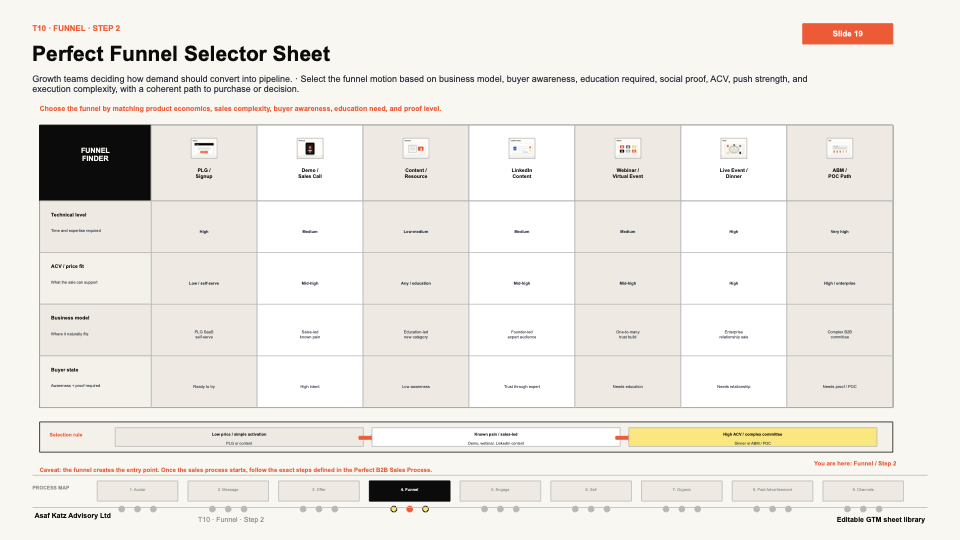
The core question is whether you need more volume or a different motion entirely. If cold email works for your ICP but needs better execution, a Belkins alternative might be another SDR agency with stronger deliverability or better copywriting. If cold email is the wrong motion for your buyers, no agency can fix that with better sequences.
Four criteria matter when evaluating alternatives in 2026.
First, does the agency understand your buyer's psychology, not just their job title? A VP of Engineering who is deeply skeptical of marketing does not respond to cold email. A demand gen director who is actively evaluating vendors might.
Second, does the agency offer a motion that creates warm intent rather than interrupting cold prospects? Event-led, content-led, or community-led approaches generate buyers who arrive already educated.
Third, what is the agency's approach to attribution? Meetings booked is a vanity metric if they do not convert. Qualified meetings with documented ICP fit and clear next steps are the number that matters.
Fourth, how does pricing align with outcomes? Fixed retainers regardless of results transfer all the risk to you. Performance-tied components align incentives.
One more thing I would add from running my own agency: be careful of providers who optimize for activity metrics instead of revenue outcomes. I lived through the failure of selling execution when the real problem was foundation. It cost me my entire client base. Ask any agency you evaluate what they do when the list is right but the message is not landing.
How Does the Event-Led Motion Address These Gaps?
An event-led demand generation approach takes a structurally different position. Rather than interrupting buyers with cold outreach, it identifies what your ICP already cares about, hosts a live event on that topic, and invites target accounts as guests rather than prospects.
The event creates a self-selection mechanism. Buyers who show up have already demonstrated interest in the topic. They arrive pre-educated on the category. When follow-up happens within 48 to 72 hours, it references a shared experience rather than a cold introduction.
I have seen this play out at scale across my own work. One AI-regulation webinar pulled 754 signups in 26 days, with 100+ from target accounts, zero ad spend. The follow-up from a single event cycle generated 43 qualified meetings in 60 days. The multiplier was topic selection: a subject buyers already wanted to discuss, with a voice they already trusted. Events can start from $6,000, making the cost per meeting competitive with SDR models, and that is before factoring in the quality difference between a cold-booked and an event-warmed meeting.
Across hundreds of campaigns I have run, event invites get accepted 40 to 50 percent of the time. Pitch outreach to the same lists gets 5 to 10 percent. The ask is the variable. Everything else stays the same.
How Do Cold-Booked and Event-Warmed Meetings Compare?
A cold-booked meeting typically opens with a buyer who does not know your company, has not self-identified any interest, and is giving you 20 minutes partly out of curiosity and partly out of obligation. Your sales team spends the first half of the call re-establishing why the meeting exists.
An event-warmed meeting opens differently. The buyer attended an event, found value in it, and responded to a follow-up that referenced that experience. They know your company has expertise in the topic they care about. The meeting starts from credibility rather than skepticism.
For technical buyers, C-suite executives, and long-cycle enterprise deals, the difference in meeting quality compounds. At RSA, one person with no booth and no brand booked 38 C-level meetings from 1,266 prospects using 12-word openers, role-matched senders, and a connect-before-pitch structure. That produced 519 connections and 161 conversations. Cold email to the same list would not have produced 38 C-level meetings under any execution scenario.
What Is the Right Choice for Your Team?
Belkins is not the wrong choice for every team. If your ICP responds to cold outreach, your offer is clear, and you need outsourced SDR capacity quickly, Belkins can execute. The case studies are real.
The question to answer before signing is whether your buyers are the type who respond to cold email in 2026, and whether the current channel environment gives you confidence in the volume required to hit your targets.
If the answer to either question is uncertain, an event-led motion removes the dependency on cold email entirely. The buyers come to you, pre-qualified, in a format that creates meetings from earned trust rather than volume pressure.
One rule I apply before recommending any channel: nobody earns the right to scale until the foundation is strong. If your avatar, message, and offer are not locked, more outreach volume just amplifies the broken parts. Get that right first. Then choose the channel.
Take the free 60-second check